Create Bead Patterns
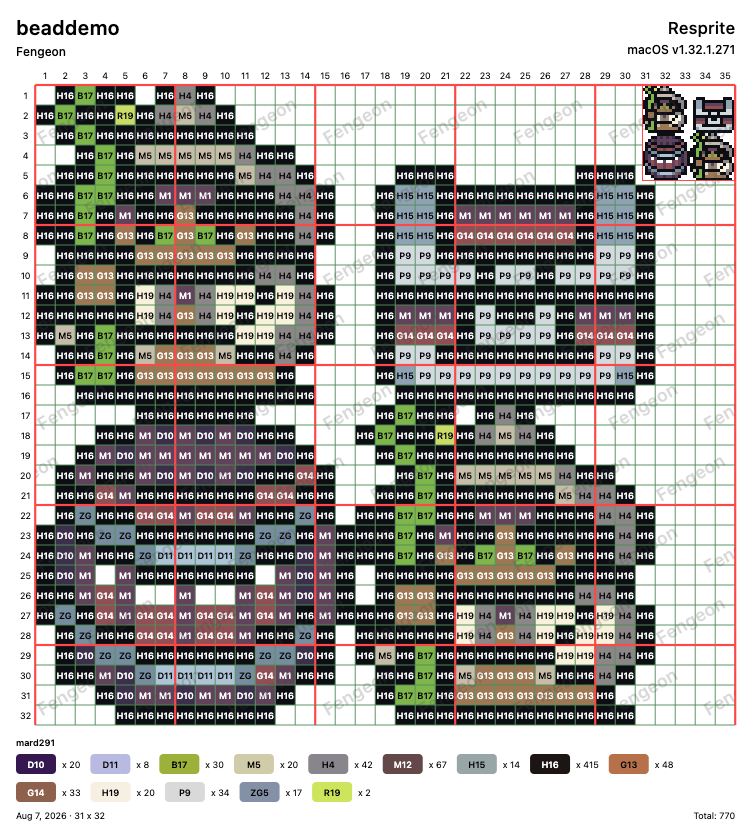
To create a bead pattern with colour labels in Resprite, start with a bead palette whose swatches already have names. During export, Resprite uses those names for the labels in the pattern and reports the amount of each colour used.
Bead colour codes come from the swatch names in the palette. Resprite does not generate codes automatically from pixel colours.
In most cases, you can complete the entire workflow with the built-in MARD 221 or MARD 291 palette.
1. Use a MARD Bead Palette
Open Menu ▸ Palette ▸ Load, select MARD 221 or MARD 291 in the Palette Presets Manager, and load it into the current artwork. Use swatches from this palette when drawing or organising the artwork so the exported pattern can identify each colour name and usage amount correctly.
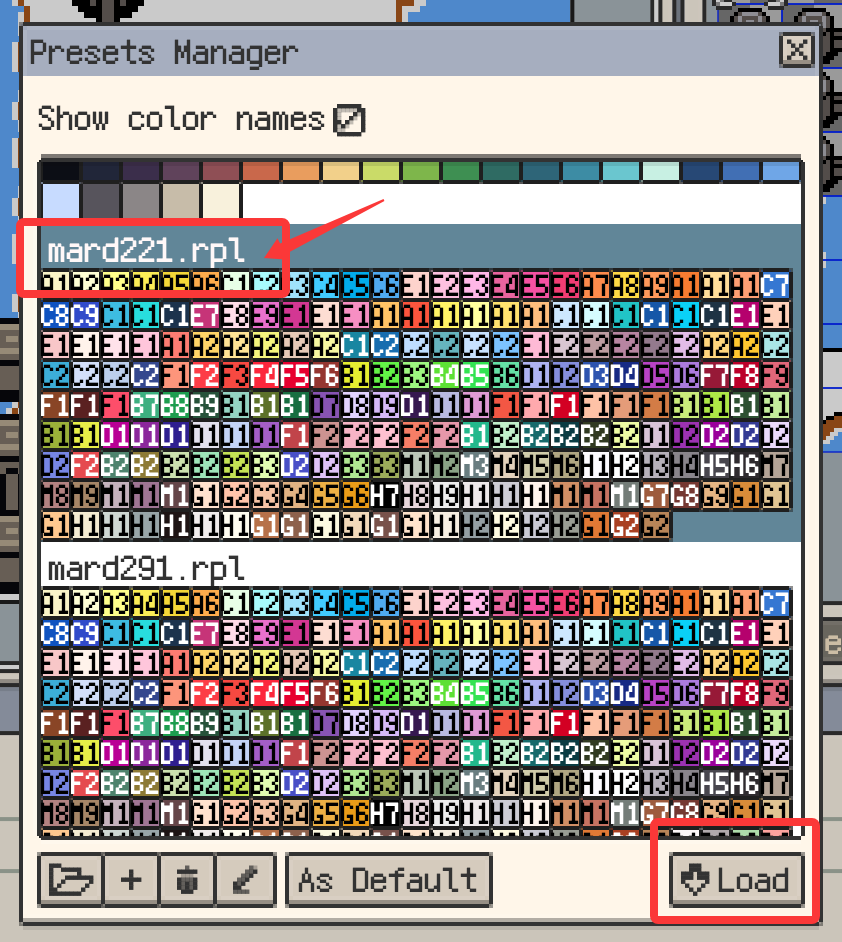
If the MARD palette you need is not included in your current presets, download the corresponding .rpl file from Palette Resources, then import it into Resprite.
2. Check the Colour Names
When you use a MARD palette provided by Resprite, you normally do not need to edit the colour names manually. To confirm that the palette contains colour codes, click the T button in the Palette window action bar to display the names on the swatches.
Once enabled, the colour names appear directly on the swatches. To change a name, select the swatch and use the rename button next to the T button.
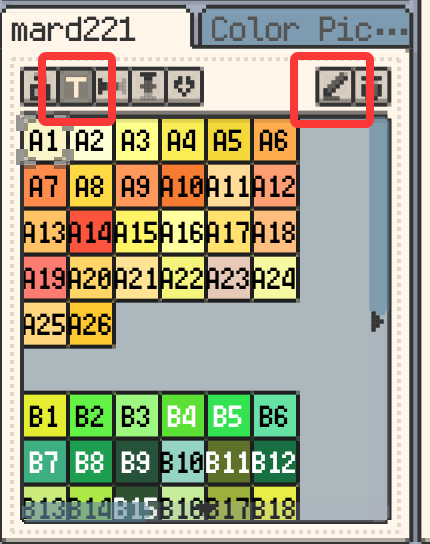
The T button only shows or hides existing colour names; it does not generate codes for unnamed colours. In most cases, use a MARD palette from the built-in presets or the resource page instead of naming every swatch manually.
3. Export the Bead Pattern
After confirming that the artwork uses a bead palette with colour names:
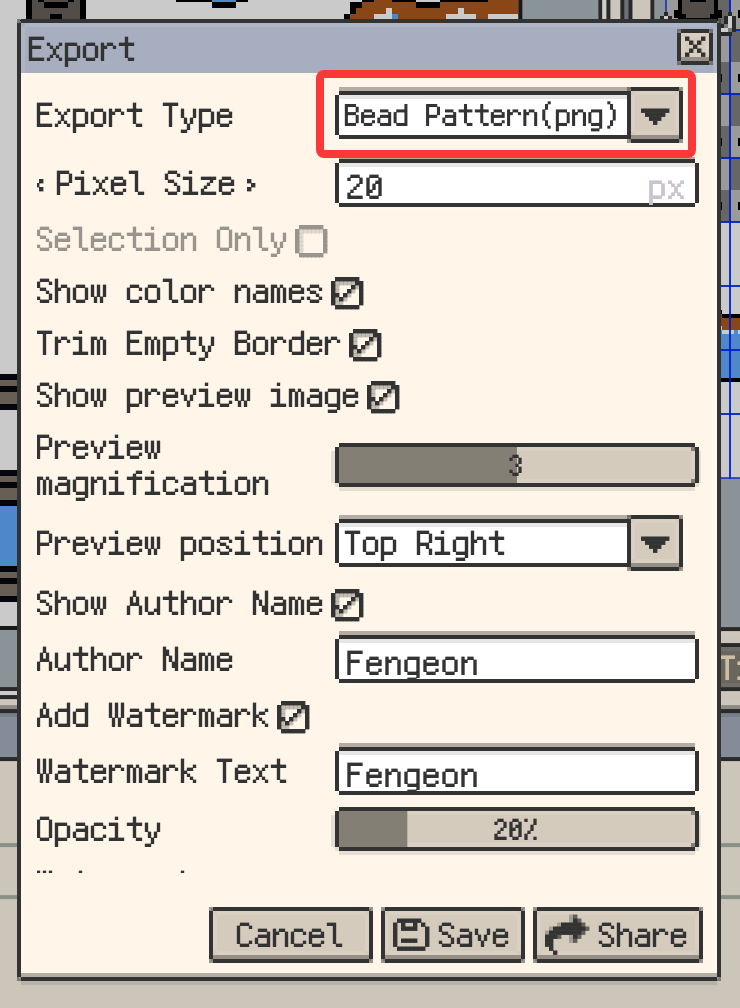
- Open Menu ▸ Export.
- Select Bead Pattern (PNG).
- Enable Show color names, then adjust pixel size, grids, and trimming as needed.
- Check the preview and estimated output size, then export the PNG file.
The exported pattern follows the pixel layout of the artwork, labels the cells with names stored in the palette, and includes usage totals for each colour. Use the grid to place the beads and the totals to prepare the required quantities.
Add a Custom Watermark (iOS R60+, Desktop & Android v1.32.1+)
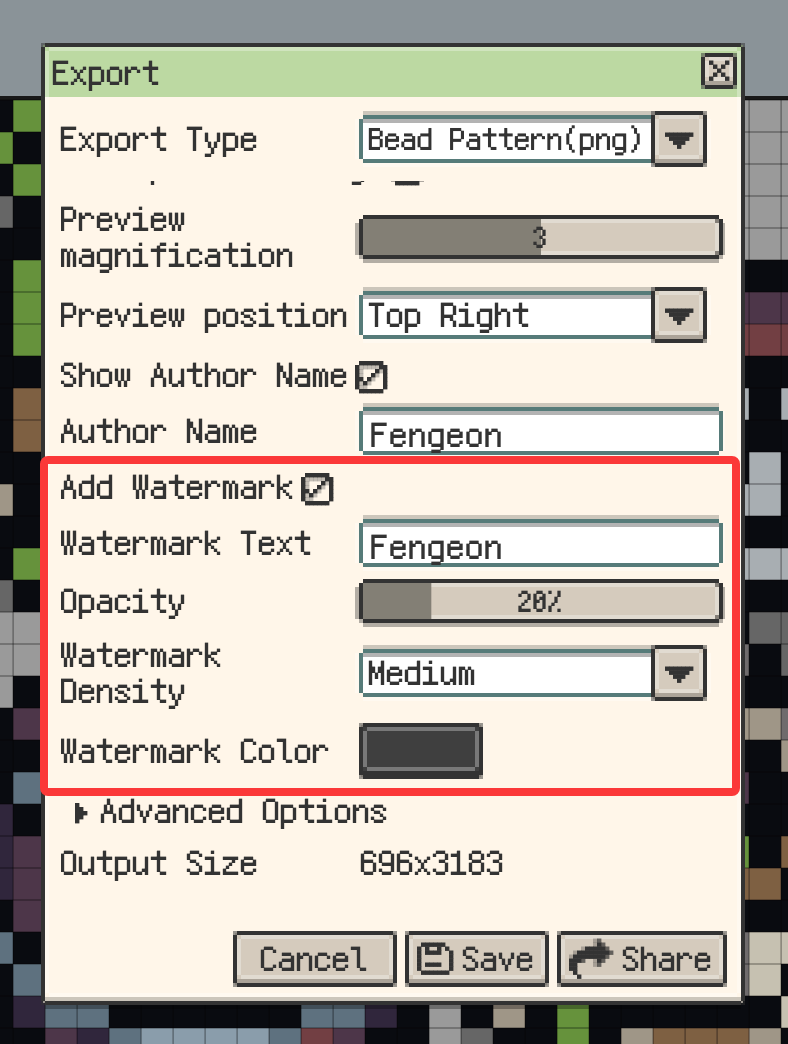
If you need to identify the artist, shop, or permitted use when sharing or printing a pattern, enable the custom watermark in the export settings.
- Turn on Watermark.
- Enter the watermark text.
- Adjust opacity, density, and color to balance readability against pattern clarity.
- Check the preview before exporting.
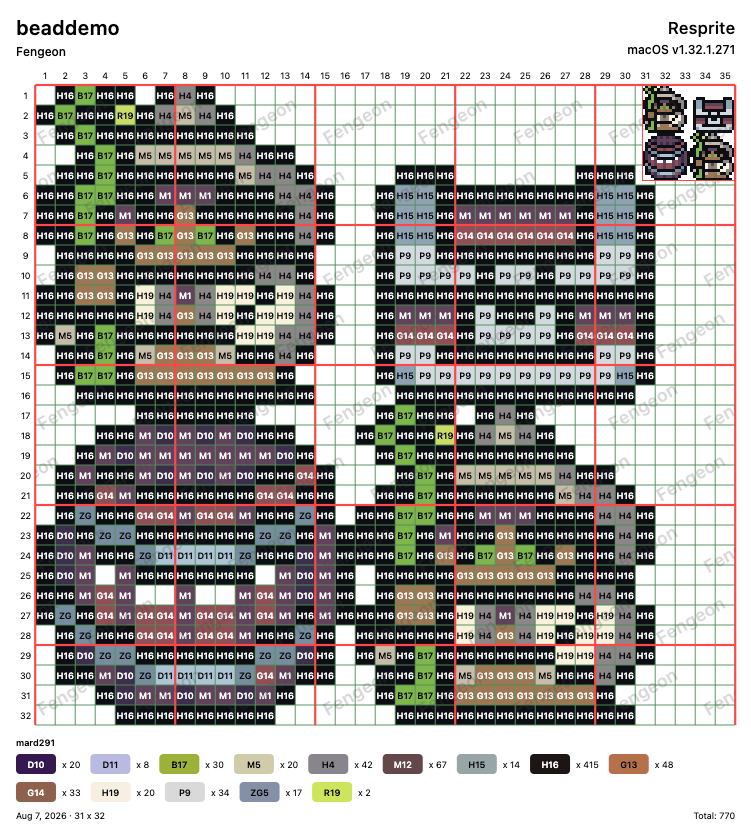
The watermark repeats diagonally across the pattern and is clipped strictly to the bead grid, so it does not extend into the legend or outside the grid.
Check Colour Differences Before Export (iOS R60+, Desktop & Android v1.32.1+)
Artwork colours do not always match the available swatches in a bead palette exactly. When Resprite prepares colour codes, the legend, and usage totals, it maps each artwork colour to the closest colour in the current palette. Use the colour-difference check to find matches that may need review before you print or share the pattern.
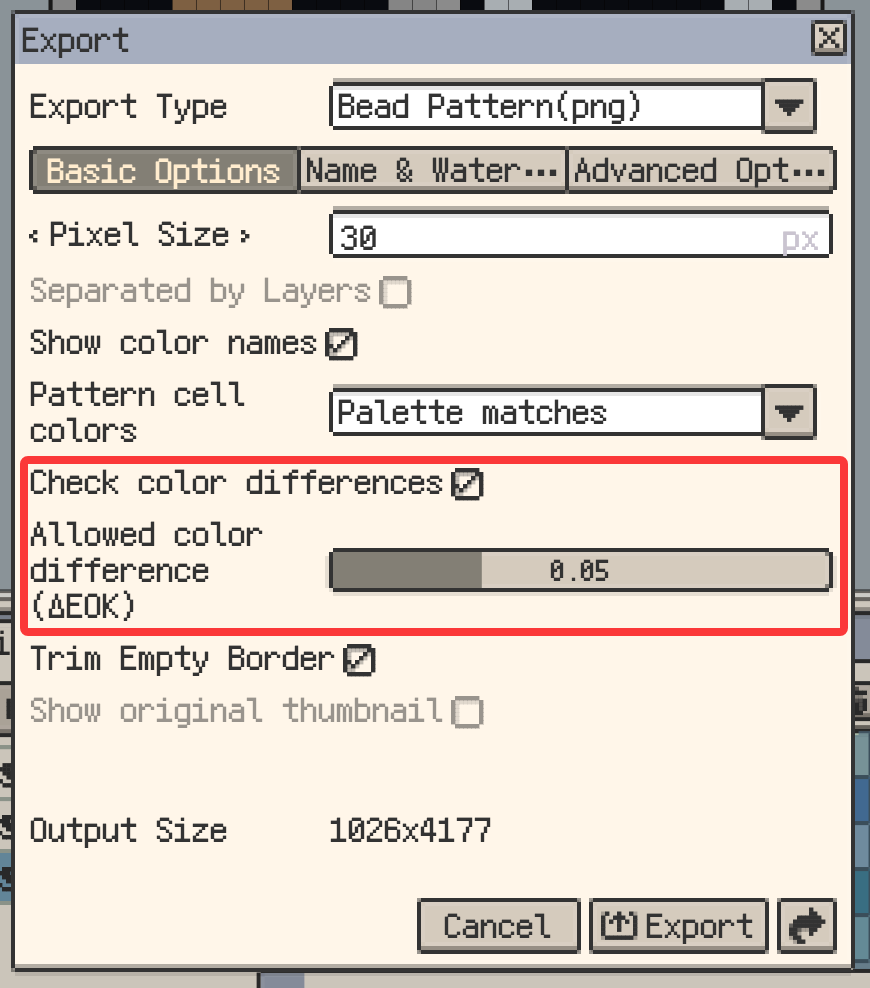
- Select Bead Pattern (PNG) in the Export window.
- Under Basic Options, choose whether Pattern cell colors displays Palette matches or Artwork colors.
- Enable Check color differences.
- Adjust Allowed color difference (ΔEOK). A lower value flags smaller differences; a higher value reports only larger differences.
- Export the pattern.
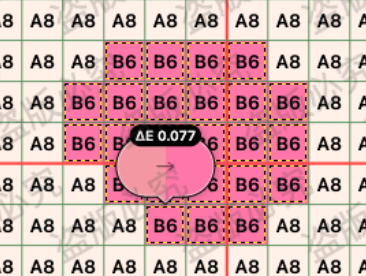
If Resprite finds cells over the allowed difference, you can cancel, continue with an unmarked final copy, or export a marked review copy. The review copy outlines the affected cells and adds callouts that compare the artwork colour with its palette match and show the ΔE value.
Bead Pattern and Quantize to Palette use standard OKLab colour-distance matching. Regardless of the cell display mode, colour codes, the legend, and usage totals refer to the palette matches, while the original thumbnail keeps the artwork colours.
A flagged difference does not necessarily mean the pattern is unusable. It usually means the current palette does not contain a closer colour. Use the marked copy to decide whether to accept the match, edit the artwork, or choose another palette.
The Exported Pattern Has No Colour Names
If the exported pattern shows grids or colours but no names, check the following:
- Make sure the artwork uses MARD 221, MARD 291, or another palette with named swatches.
- Click the T button in the Palette window and confirm that names appear on the swatches.
- Make sure Show color names is enabled in the export settings.
- If the required MARD palette is missing from your presets, download and import it from Palette Resources.
If the palette swatches do not have names, name them first or switch to a prepared MARD palette, then export the pattern again.